See what’s included
Get Template
Top Mistakes to Avoid When Buying Pre-Owned
Avoid the most common (and costly) used-car mistakes—history checks, inspections, pricing traps, and negotiation tips.
Introduction
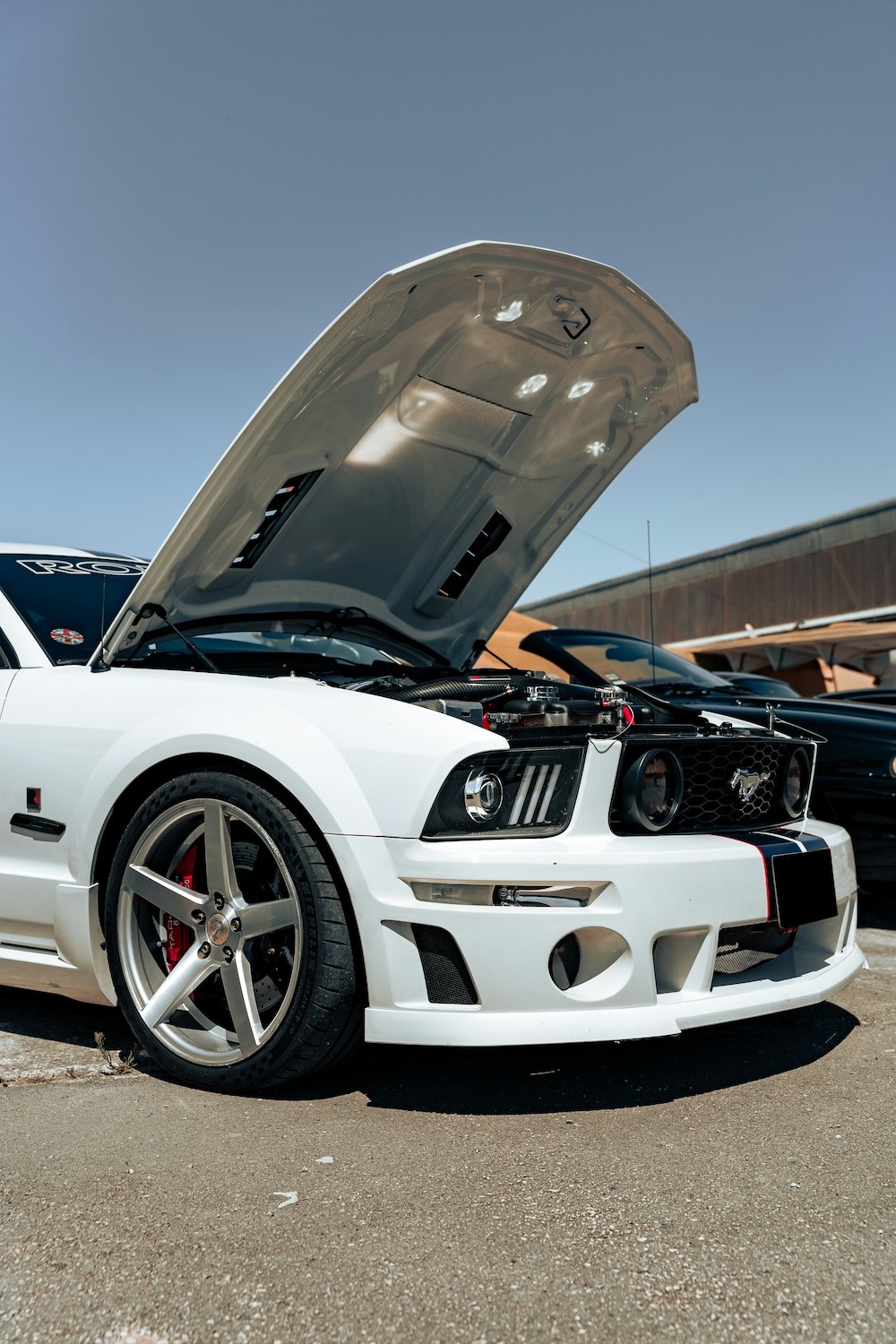
Buying a pre-owned premium vehicle can be one of the smartest ways to enter the luxury segment. You often get better value, more options, and faster availability than buying new. But the used market also requires more attention, because the difference between a great purchase and a costly mistake is usually hidden in the details.
Here are the most common mistakes buyers make when shopping pre-owned—and how to avoid them.
1. Focusing Only on the Price
A low price always attracts attention, but in the pre-owned premium market, price alone can be misleading. A cheaper car may look like a better deal at first, but if it needs tires, brakes, maintenance, or cosmetic work soon, the real cost can rise quickly.
The better question is not “Which car is cheaper?” but “Which car offers better value once I include condition and ownership cost?”
2. Skipping the Service History Check
This is one of the biggest mistakes buyers make. In the premium segment, service history is not a small detail—it is part of the vehicle’s value. A complete and documented history shows that the car was maintained correctly and gives you more confidence in what you are buying.
When service records are incomplete, unclear, or missing, the risk increases. Even if the vehicle looks clean, missing history should always make you slow down and ask more questions.
3. Trusting Photos More Than Reality
Many listings look excellent online, especially when the vehicle is professionally photographed. But photos rarely tell the full story. Small scratches, wheel damage, interior wear, or repainting can be easy to miss in a listing gallery.
That is why serious buyers always confirm the condition in person or request a detailed walkaround video before moving forward. A strong dealer will have no problem being transparent about the vehicle’s real condition.
4. Ignoring Tires and Brakes During the Inspection
Tires and brakes are normal wear items, but they can have a major effect on the true value of a pre-owned premium vehicle. Replacing these parts on performance or luxury models can be expensive, and many buyers forget to check them early in the process.
Before buying, it helps to confirm:
tire condition and tread depth
brake wear and overall braking feel
whether replacements are needed soon
This does not mean you should avoid a car that needs wear items—it simply means you should understand the cost and negotiate accordingly.
5. Choosing Mileage Over Condition
Mileage matters, but it should never be the only deciding factor. A lower-mileage car is not automatically the better car. In many cases, a well-maintained vehicle with slightly higher mileage will offer a much better ownership experience than a low-mileage car with poor history or signs of neglect.
Condition, maintenance, and transparency almost always matter more in the long run.
6. Rushing the Decision
Pre-owned premium cars can move fast, and that can create pressure. Buyers sometimes rush because they are afraid of missing the opportunity. Unfortunately, that is when mistakes happen—important questions are skipped, inspection details are ignored, and the process becomes emotional too early.
The best approach is calm and structured. A good car should still be a good car after you confirm the key details.
Conclusion
A strong pre-owned purchase is not about finding the cheapest listing. It is about finding the best combination of condition, history, and value. If you take the time to inspect carefully and avoid the common mistakes above, buying pre-owned can be one of the best decisions in the premium car market.